


Understanding Slab Modulus of Rupture: A Guide for Engineers
Understanding Slab Modulus of Rupture: A Guide for Engineers
In the field of engineering, particularly when it comes to specifying materials for construction, the modulus of rupture is a critical parameter that cannot be overlooked. The modulus of rupture is a measure of a material’s strength when subjected to bending. Understanding this property helps engineers make informed decisions about the most appropriate materials for their projects. This article will explore the significance of the modulus of rupture, how it relates to various materials like quartz, porcelain, and natural stone slabs, and why it is essential for engineers to consider this metric when specifying materials for architectural surfaces.
What is Modulus of Rupture?
The modulus of rupture (MoR) is defined as the maximum stress that a material can withstand in bending before it fails. It is also known as flexural strength and is typically expressed in units of pressure such as psi (pounds per square inch) or MPa (megapascals). The MoR is critical for engineers as it provides insight into how a material will behave under load, particularly in scenarios where bending or flexural forces are present.
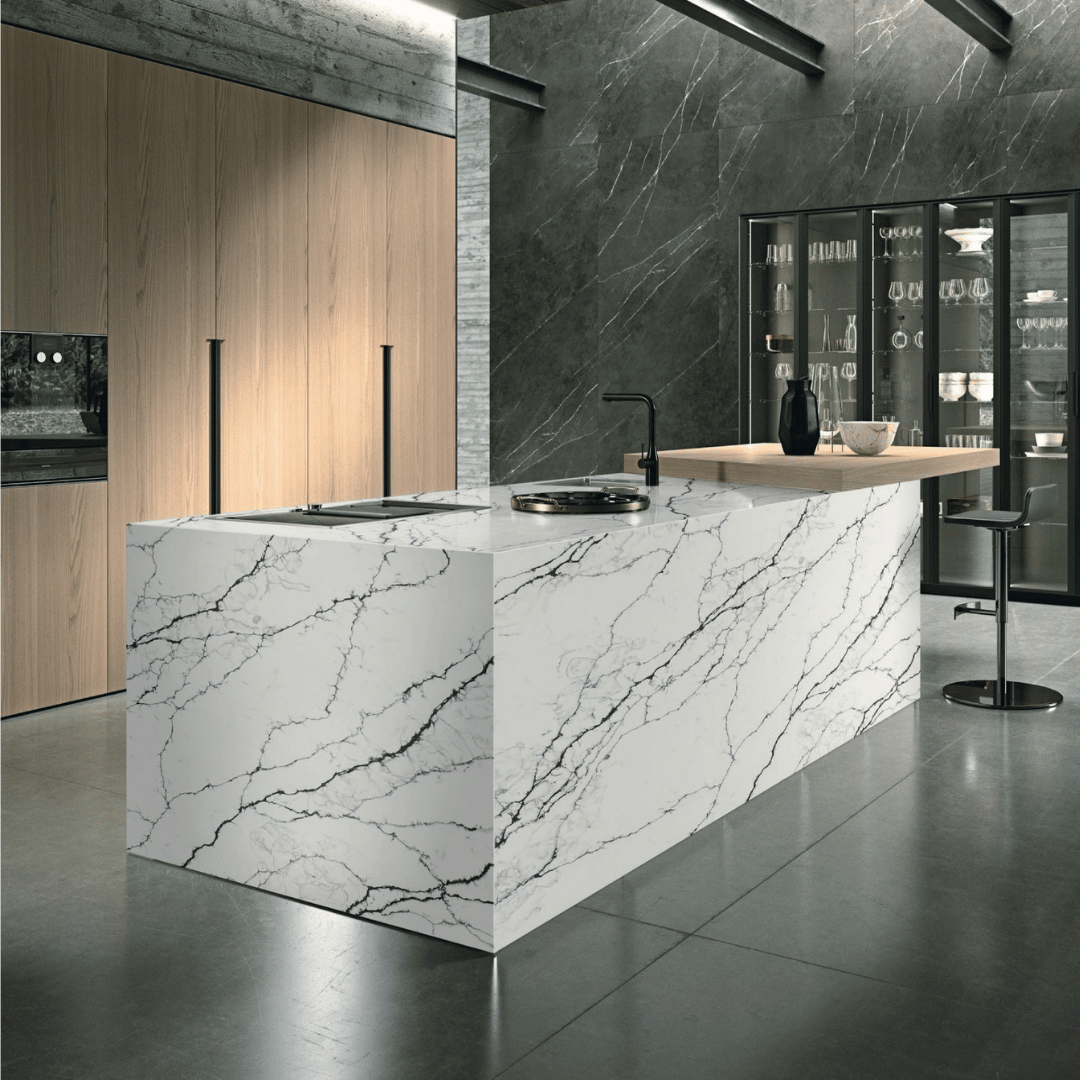
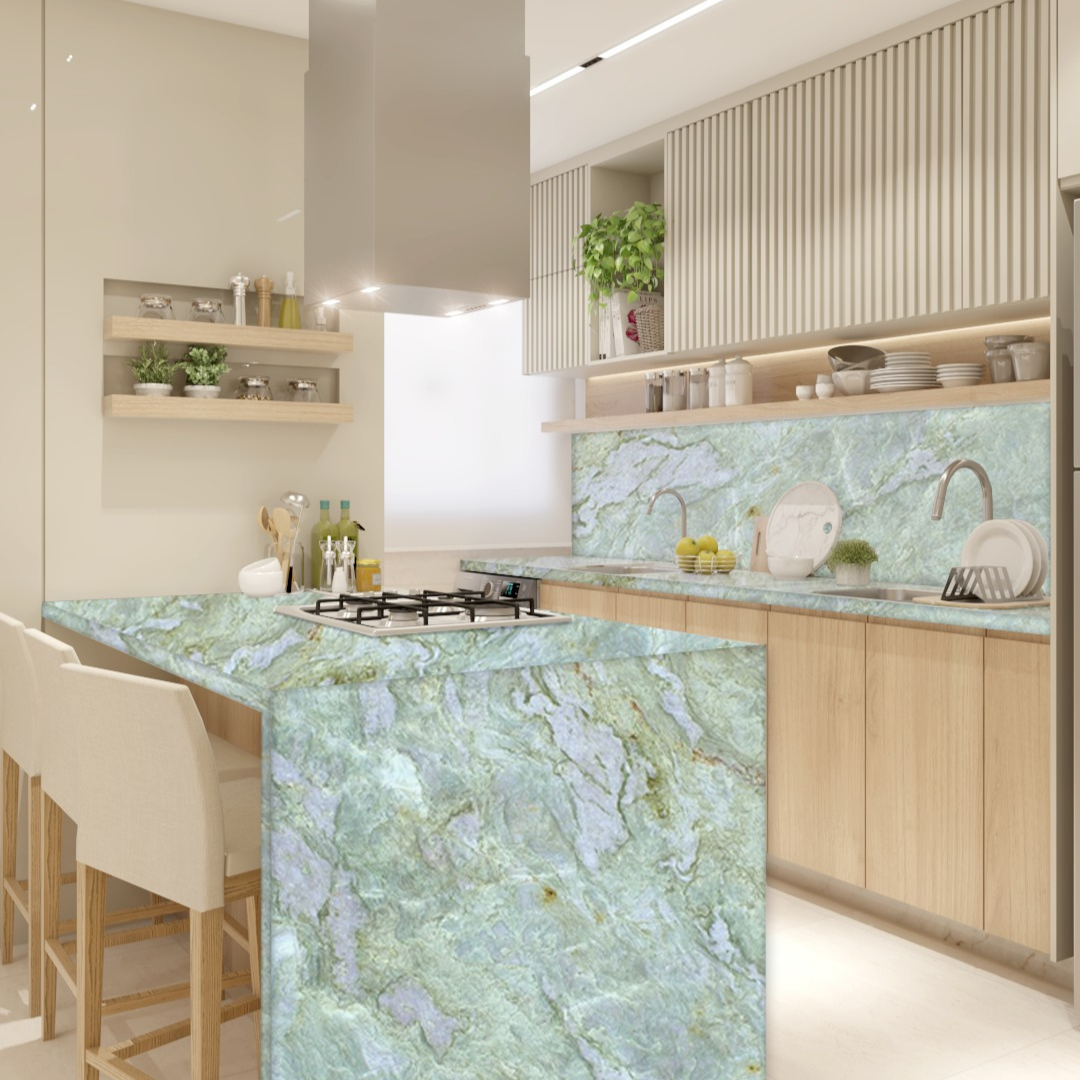
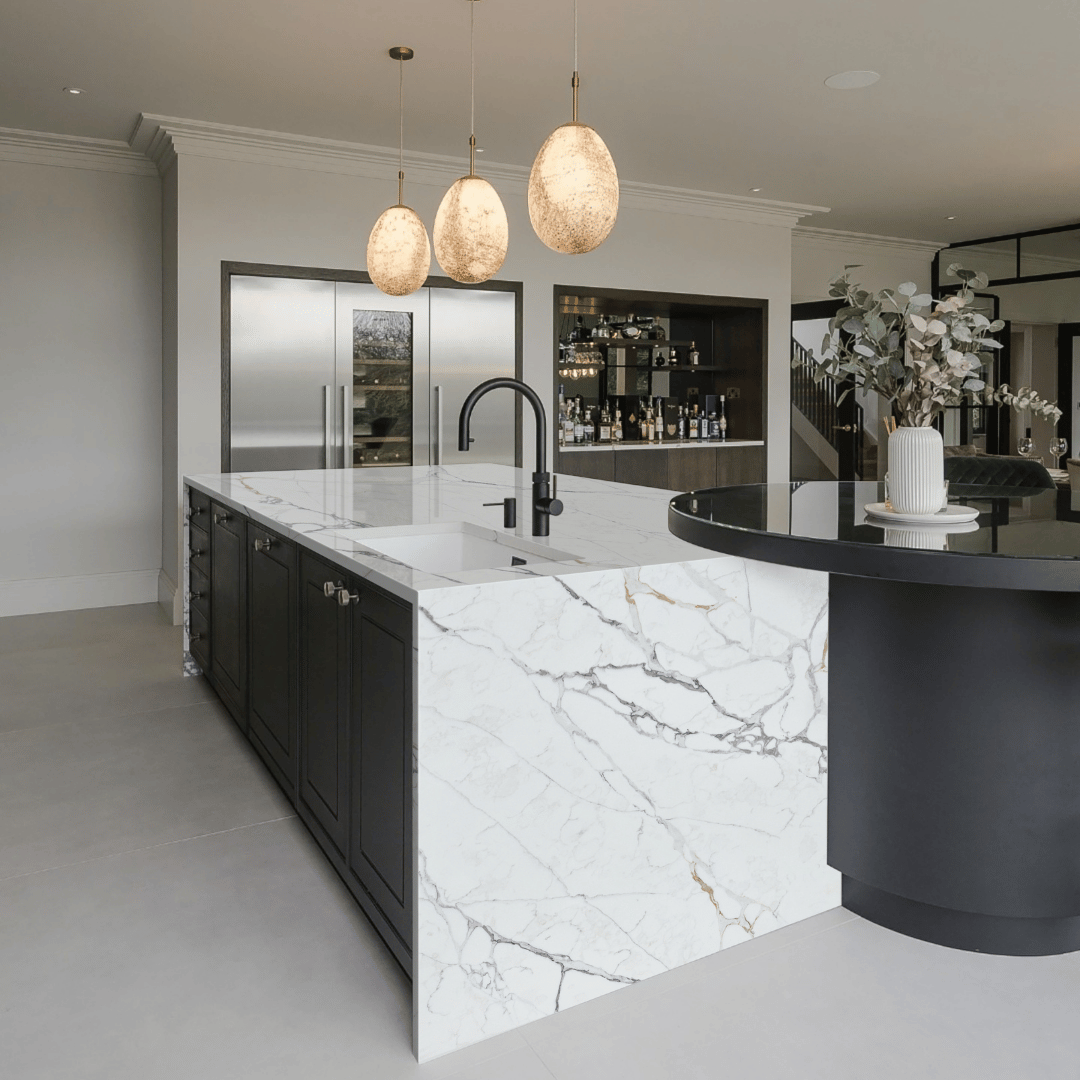
For instance, when selecting materials for kitchen countertops or bathroom vanities, understanding the MoR can help ensure that the chosen surface will withstand everyday use without cracking or breaking. This is particularly important when considering materials such as quartz slabs or porcelain slabs, which are often used in high-traffic areas.
Importance of Modulus of Rupture in Material Selection
Understanding the modulus of rupture is vital for several reasons:
- Structural Integrity: The MoR helps assess whether a material can support the loads expected in a given application without failure.
- Safety: Specifying materials with appropriate MoR values reduces the risk of structural failures, ensuring safety for users and occupants.
- Cost Efficiency: By selecting materials with the right MoR, engineers can avoid costly repairs and replacements due to material failure.
- Performance: The MoR influences how materials perform under stress, affecting their longevity and durability in various applications.
In the context of architectural surfaces, the MoR plays a crucial role in determining the best materials for countertops, flooring, and other surfaces that experience significant wear and tear.
How to Measure Modulus of Rupture
The modulus of rupture can be measured using various testing methods, with the most common being the three-point bending test. This test involves applying a load to a specimen supported at two points, measuring the load at which the material fails. The MoR can be calculated using the formula:
MoR = (3 * F * L) / (2 * b * d^2)
Where:
- F: The load at fracture (in pounds or newtons)
- L: The distance between the supports (in inches or millimeters)
- b: The width of the specimen (in inches or millimeters)
- d: The depth of the specimen (in inches or millimeters)
Engineers should ensure that the testing is conducted under standardized conditions to obtain accurate results. For materials like porcelain and quartzite, understanding the MoR is essential for selecting the right products for specific applications.
Comparative Analysis of Materials and Their Modulus of Rupture
To illustrate the importance of the modulus of rupture, let’s compare the MoR values of various materials commonly used in construction:
| Material | Modulus of Rupture (psi) |
|---|---|
| Quartz | 7,000 – 10,000 |
| Granite | 10,000 – 15,000 |
| Porcelain | 8,000 – 12,000 |
| Quartzite | 15,000 – 20,000 |
| Concrete | 5,000 – 7,000 |
| Wood (depending on type) | 1,000 – 5,000 |
This table clearly shows that materials like quartzite and granite have significantly higher MoR values compared to quartz and porcelain. This information is crucial for engineers when determining which materials will best suit specific applications, particularly in high-stress environments.
Applications of Modulus of Rupture in Engineering
Understanding the modulus of rupture is essential for various engineering applications, including:
- Structural Engineering: Engineers must consider the MoR when designing beams, columns, and other structural elements to ensure they can withstand expected loads.
- Architectural Design: Knowledge of MoR helps architects select appropriate materials for aesthetic and functional surfaces, such as countertops and flooring.
- Manufacturing: The MoR is crucial in product design and material selection for consumer goods, ensuring durability and performance.
- Renovation Projects: When upgrading existing structures, understanding the MoR of replacement materials helps ensure compatibility and longevity.
As a premier quartz and natural stone slab distributor, Builder Stone Global provides access to a wide range of materials with varying MoR values, enabling engineers to make informed decisions.
Expert Tips for Engineers Specifying Materials
Here are some additional tips for engineers:
- Consult Manufacturer Specifications: Always refer to the manufacturer’s data sheets for accurate MoR values and other material properties.
- Conduct Field Tests: Whenever possible, perform field tests to validate laboratory results and ensure materials will perform as expected in real-world conditions.
- Stay Updated: Keep abreast of industry standards and advancements in material science to enhance your knowledge and decision-making capabilities.
- Collaborate with Suppliers: Work closely with suppliers like Builder Stone Global to gain insights into material performance and best practices for specific applications.
Frequently Asked Questions
What is the modulus of rupture?
The modulus of rupture is a measure of a material’s strength when subjected to bending, indicating the maximum stress it can withstand before failure.
How is the modulus of rupture measured?
The modulus of rupture is typically measured using a three-point bending test, where a load is applied to a supported specimen until it fractures.
Why is the modulus of rupture important?
Understanding the modulus of rupture helps engineers select appropriate materials that can safely withstand expected loads, ensuring structural integrity and safety.
What materials are commonly compared using modulus of rupture?
Common materials compared include quartz, granite, porcelain, quartzite, concrete, and various types of wood.
How does the modulus of rupture affect material selection for countertops?
When selecting materials for countertops, the modulus of rupture helps ensure that the chosen surface can withstand everyday use without cracking or breaking.
What is a good modulus of rupture value for kitchen surfaces?
A modulus of rupture value above 7,000 psi is generally considered good for kitchen surfaces, ensuring durability and performance.
Can the modulus of rupture vary by material type?
Yes, different materials have different modulus of rupture values, with natural stones like quartzite and granite typically exhibiting higher values than engineered materials.
Where can I find high-performance slabs with good modulus of rupture?
Builder Stone Global offers a range of premium quartz, porcelain, and natural stone slabs, ensuring you find materials with the desired modulus of rupture for your project.