The Complete Guide to Slab Applications for Medical and Healthcare Facility Surfaces
The Complete Guide to Slab Applications for Medical and Healthcare Facility Surfaces
In the fast-evolving world of healthcare, the surfaces we choose for medical facilities play a critical role in ensuring safety, hygiene, and durability. This comprehensive guide explores the various slab applications that are ideal for medical and healthcare environments, focusing on the benefits of premium quartz, porcelain, and natural stone slabs. By understanding the right materials and their applications, healthcare professionals can create spaces that not only meet regulatory requirements but also enhance patient comfort and staff efficiency.
As a leading quartz slab distributor in Norcross, GA, Builder Stone Global provides a vast selection of high-performance surfaces tailored for healthcare settings. This guide will cover essential aspects such as material selection, application areas, maintenance, and the latest trends in architectural surfaces.
1. Understanding the Importance of Surface Materials in Healthcare
Healthcare facilities require surfaces that are not only aesthetically pleasing but also functional and resilient. The choice of materials affects everything from infection control to the overall patient experience. High-performance surfaces contribute to a sterile environment, which is essential in preventing the spread of pathogens. According to the Centers for Disease Control and Prevention (CDC), the right surface materials can significantly reduce the risk of healthcare-associated infections (HAIs).
2. Types of Slabs Used in Medical Facilities
When it comes to slab materials for healthcare, several options stand out:
- Quartz Slabs: Engineered for durability and stain resistance, quartz slabs are non-porous and easy to clean, making them ideal for countertops and other surfaces.
- Porcelain Slabs: Known for their high resistance to heat and scratches, porcelain slabs are increasingly used in areas requiring both aesthetics and durability.
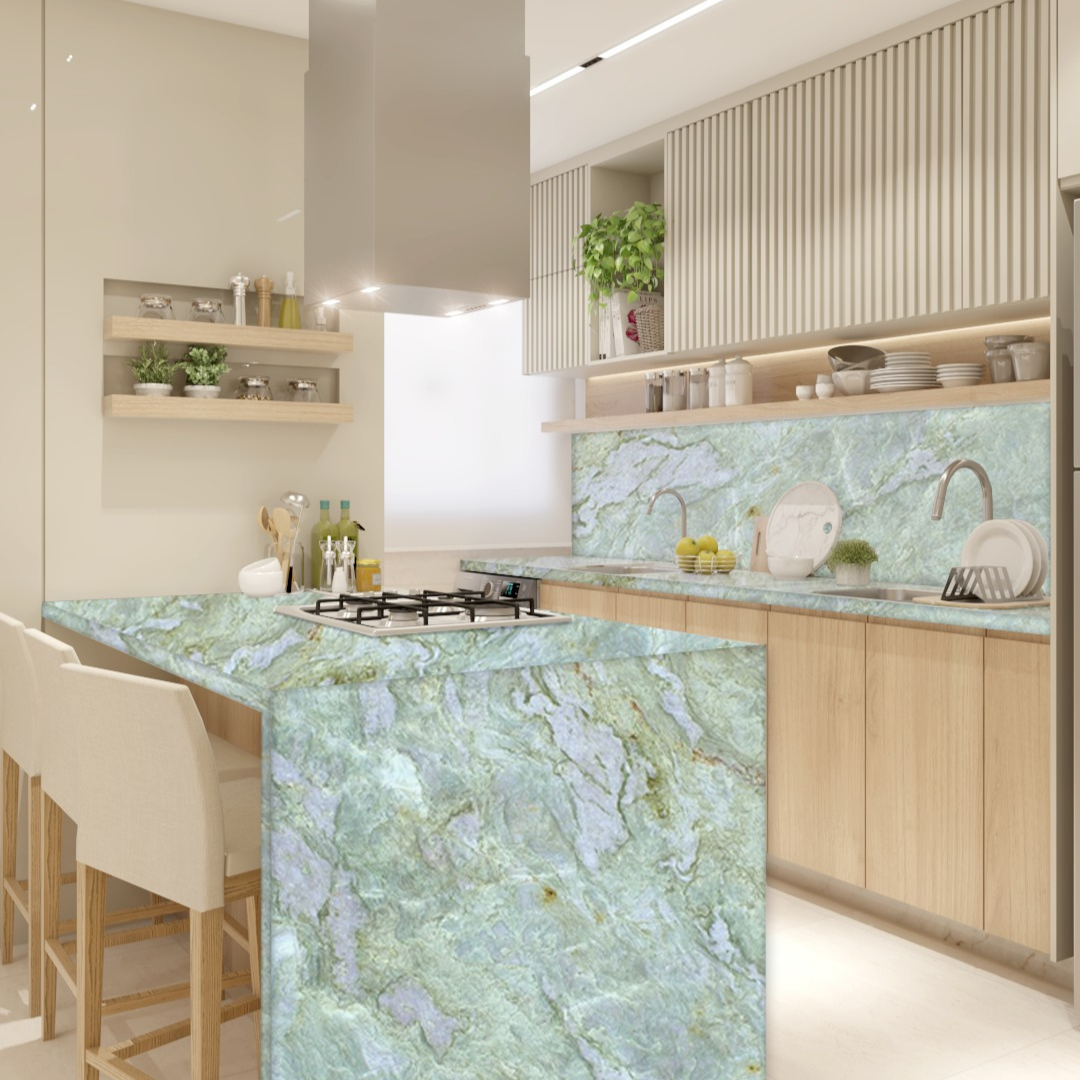
- Natural Stone Slabs (Granite and Quartzite): Offering unique patterns and colors, natural stone slabs are favored for their elegance and strength, especially in high-traffic areas.
Material Comparison Table
| Material | Durability | Maintenance | Cost |
|---|---|---|---|
| Quartz | High | Low | $$$ |
| Porcelain | Very High | Very Low | $$ |
| Granite | High | Moderate | $$$ |
| Quartzite | Very High | Moderate | $$$$ |
3. Key Applications for Slabs in Healthcare Settings
Slabs can be used in various areas within medical facilities:
3.1 Countertops and Work Surfaces
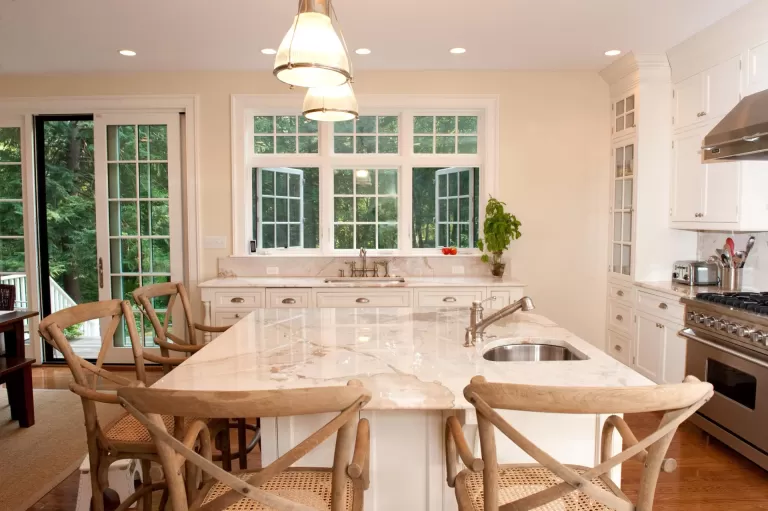
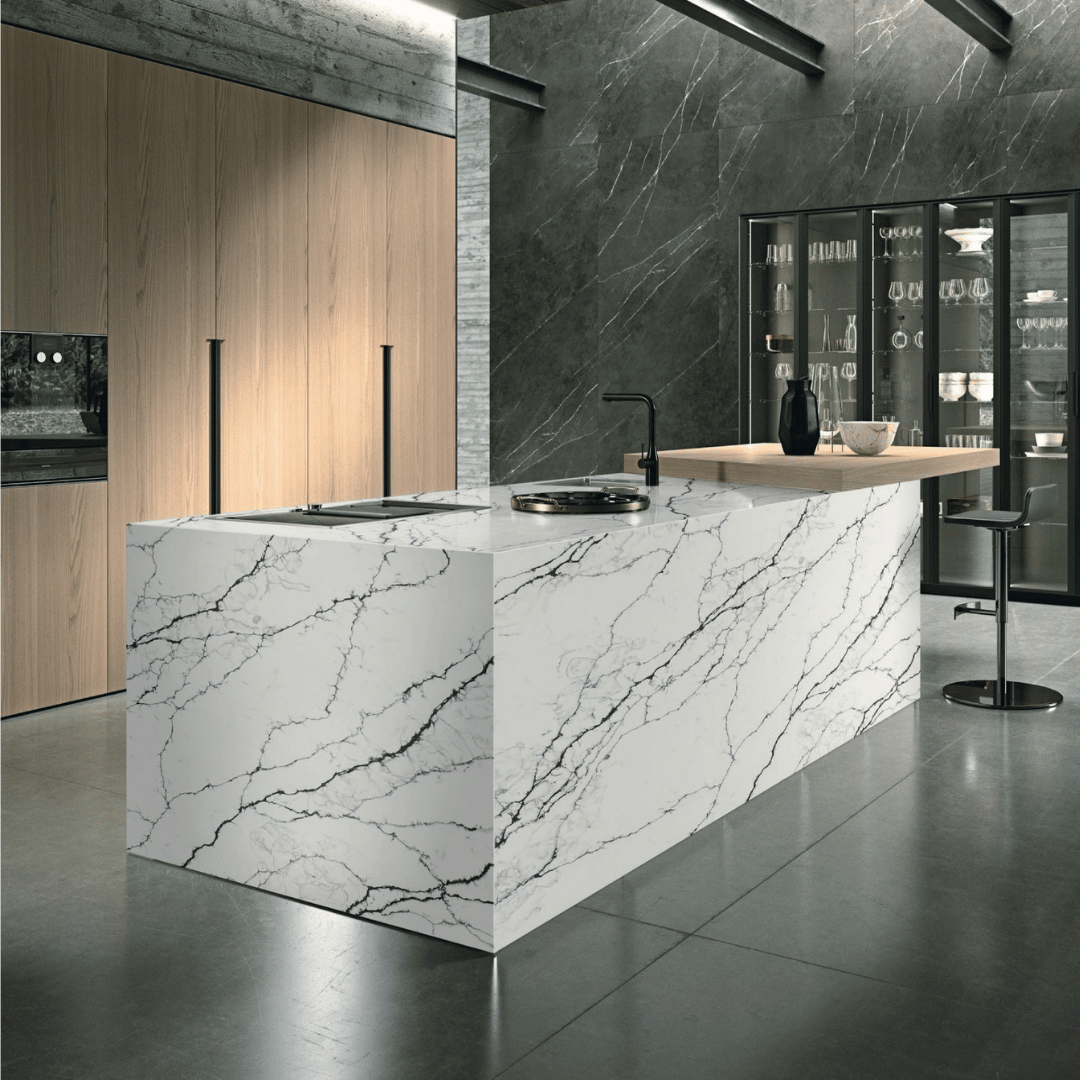
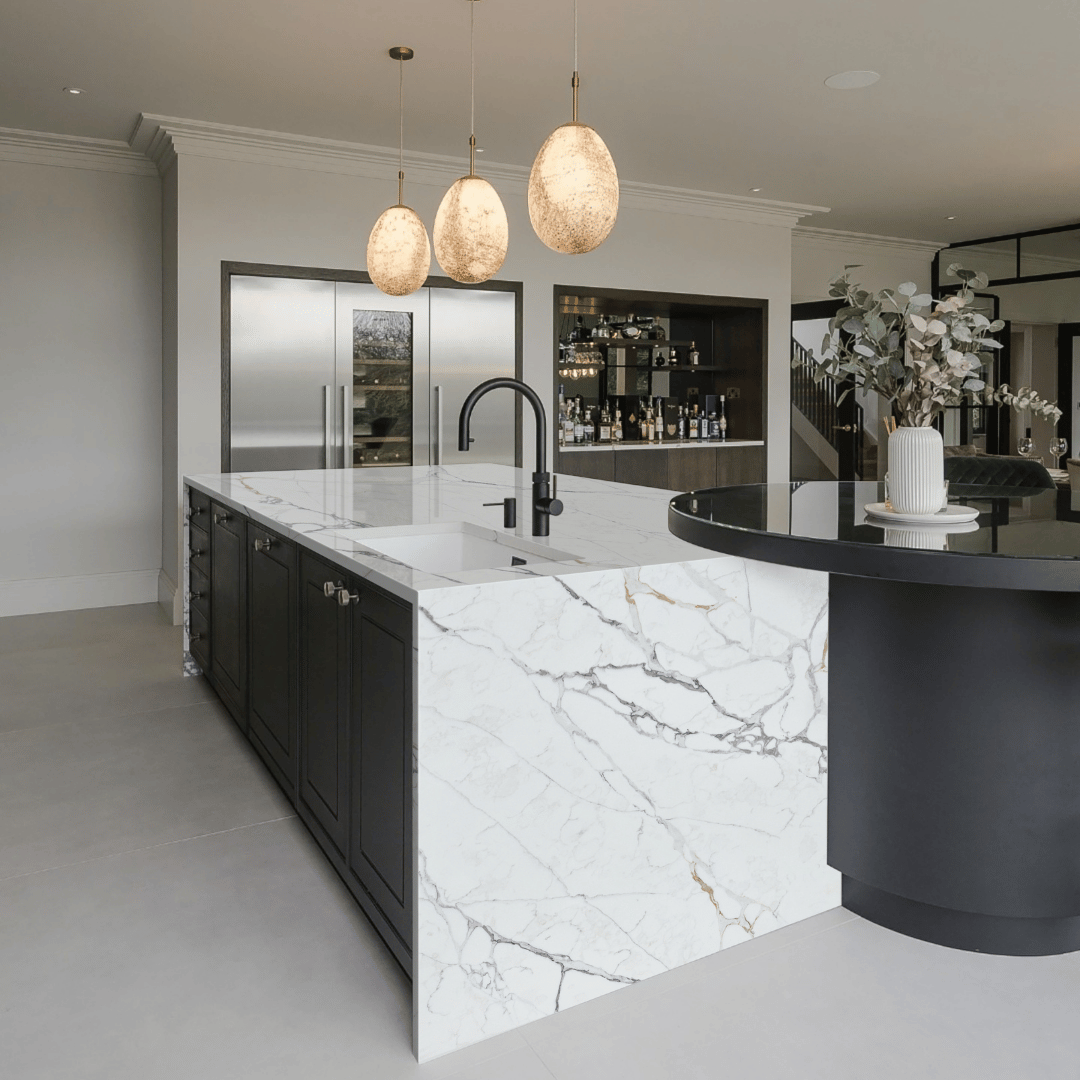
Countertops in laboratories, pharmacies, and nurses’ stations require materials that can withstand heavy use and frequent cleaning. Quartz and HD quartz surfaces are excellent choices due to their non-porous nature and resistance to stains.
3.2 Floors and Walls
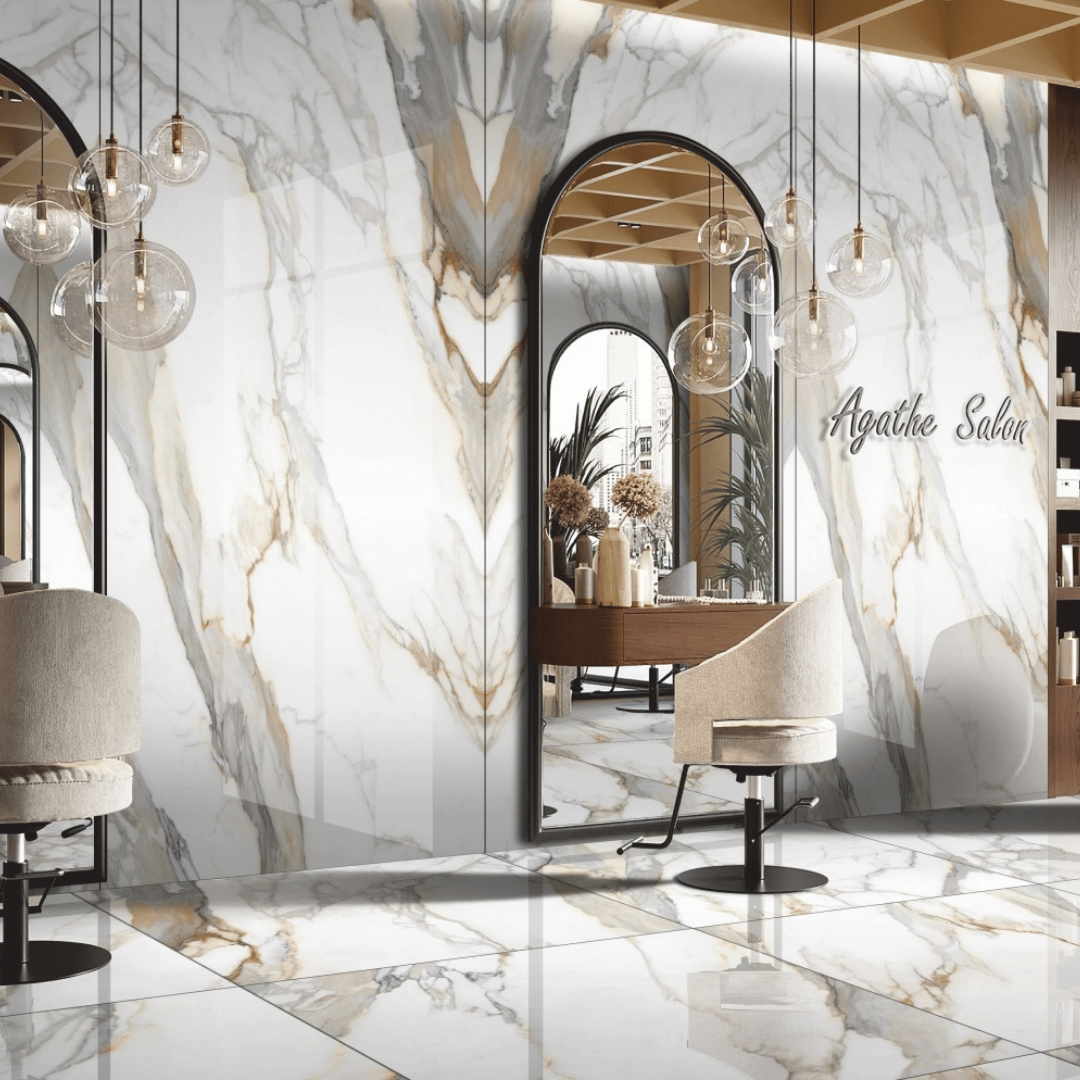
Porcelain slabs are often used for flooring and wall applications in healthcare settings due to their slip resistance and easy maintenance. They provide an elegant aesthetic while ensuring safety and hygiene.
3.3 Patient Rooms and Waiting Areas
In patient rooms and waiting areas, the choice of surface materials contributes to the overall atmosphere. Natural stone and porcelain can create a calming environment while maintaining durability.
4. Benefits of Using Premium Slabs in Medical Environments
Investing in premium quality slabs offers numerous advantages, including:
- Infection Control: Non-porous surfaces minimize bacterial growth, essential for patient safety.
- Durability: High-quality materials withstand wear and tear, reducing the need for frequent replacements.
- Aesthetic Appeal: Premium slabs enhance the visual impact of healthcare facilities, contributing to a positive patient experience.
5. Maintenance and Care for Healthcare Surfaces
Proper maintenance is crucial for extending the lifespan of healthcare surfaces:
5.1 Regular Cleaning
Surfaces should be cleaned regularly with appropriate disinfectants to maintain hygiene. For quartz and porcelain, mild detergents are sufficient.
5.2 Preventive Care
Implementing preventive measures, such as using cutting boards and coasters, can help avoid scratches and stains.
6. Future Trends in Healthcare Surface Design
The healthcare industry is witnessing several trends that influence slab applications:
- Sustainable Materials: Growing interest in eco-friendly surfaces that reduce environmental impact.
- Smart Surfaces: Integration of technology into surfaces for enhanced functionality and hygiene.
- Biophilic Design: Incorporating natural elements to improve patient well-being.
7. Frequently Asked Questions
What are the best materials for healthcare surfaces?
Premium quartz, porcelain, and natural stone slabs are recommended for their durability and ease of maintenance.
How do I maintain quartz surfaces in a healthcare setting?
Regular cleaning with mild detergent and disinfectants is recommended, along with preventive measures to avoid scratches.
Are porcelain slabs resistant to bacteria?
Yes, porcelain slabs are non-porous, making them resistant to bacteria and easy to clean.
What are the advantages of using natural stone in healthcare facilities?
Natural stone offers unique aesthetics, durability, and resistance to wear, making it suitable for high-traffic areas.
How can I ensure the safety of surfaces in medical facilities?
Choosing non-porous materials and implementing regular cleaning protocols are essential for maintaining safety.
What trends are shaping healthcare surface design?
Sustainable materials, smart technology integration, and biophilic design are key trends influencing the industry.
Can I use quartz slabs for laboratory surfaces?
Yes, quartz slabs are ideal for laboratory surfaces due to their resistance to stains and chemicals.
How do I choose the right slab for my healthcare project?
Consider factors like durability, maintenance requirements, and aesthetic appeal when selecting slabs.
Conclusion
Choosing the right slab materials for medical and healthcare facilities is a vital decision that impacts safety, functionality, and aesthetics. By opting for premium quartz, porcelain, and natural stone slabs, healthcare professionals can create environments that support patient care and staff efficiency. For tailored solutions and to explore our extensive inventory, check our live inventory or contact us to speak with our surface specialists.