Creating Continuity in Architecture with Slab Stair Treads and Risers
How Slab Stair Treads and Risers Create Continuity in Architectural Material Selection
In modern architectural design, the choice of materials plays a crucial role in achieving visual harmony and functional excellence. Among these materials, slab stair treads and risers have emerged as essential elements that enhance both aesthetic appeal and structural integrity. This article delves into how these components create continuity in architectural material selection, emphasizing their importance in contemporary design practices.
Understanding Slab Stair Treads and Risers
Slab stair treads and risers are integral components of stair construction, providing both functionality and aesthetic value. Treads are the horizontal parts that you step on, while risers are the vertical components that connect each tread. When crafted from premium materials like quartz, porcelain, or natural stone, these elements contribute significantly to the overall design narrative of a space.
For instance, at Builder Stone Global, we offer a wide range of premium quality slab options that cater to diverse architectural needs. Our extensive inventory includes high-performance quartz, large format porcelain, and exquisite natural stone selections, ideal for creating stunning staircases that stand the test of time.
The Role of Material Selection in Architecture
Material selection is a fundamental aspect of architectural design that influences both the aesthetic and functional performance of a building. The materials chosen can dictate the visual cohesion of a space, contribute to sustainability efforts, and impact the longevity of structures. In contemporary architecture, there is a growing trend toward using fewer materials that offer greater versatility, such as slab stair treads and risers.
Architects and designers often seek materials that not only fulfill structural requirements but also align with the overall design vision. For example, when selecting slab materials, designers must consider factors such as color, texture, and finish to ensure consistency throughout the project. This is where the use of slab stair treads and risers becomes particularly advantageous.
Benefits of Using Slab Stair Treads and Risers
Integrating slab stair treads and risers into your architectural design offers numerous benefits:
- Durability: Slab materials such as quartz and granite are known for their strength and resilience, making them ideal for high-traffic areas.
- Aesthetic Appeal: The variety of colors and finishes available allows designers to create visually striking staircases that complement the overall design theme.
- Low Maintenance: Slab stair treads and risers require minimal upkeep, particularly when made from non-porous materials like porcelain.
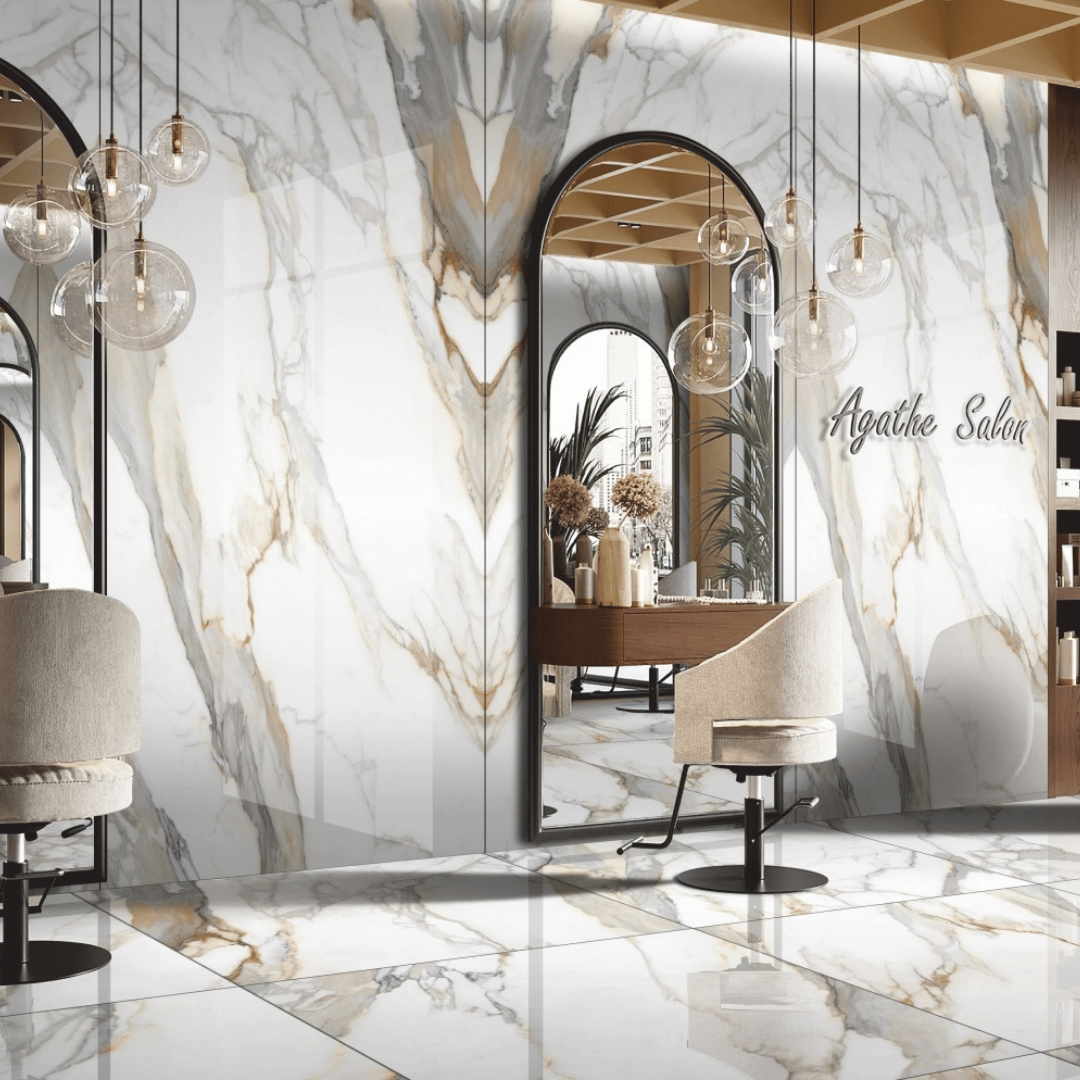
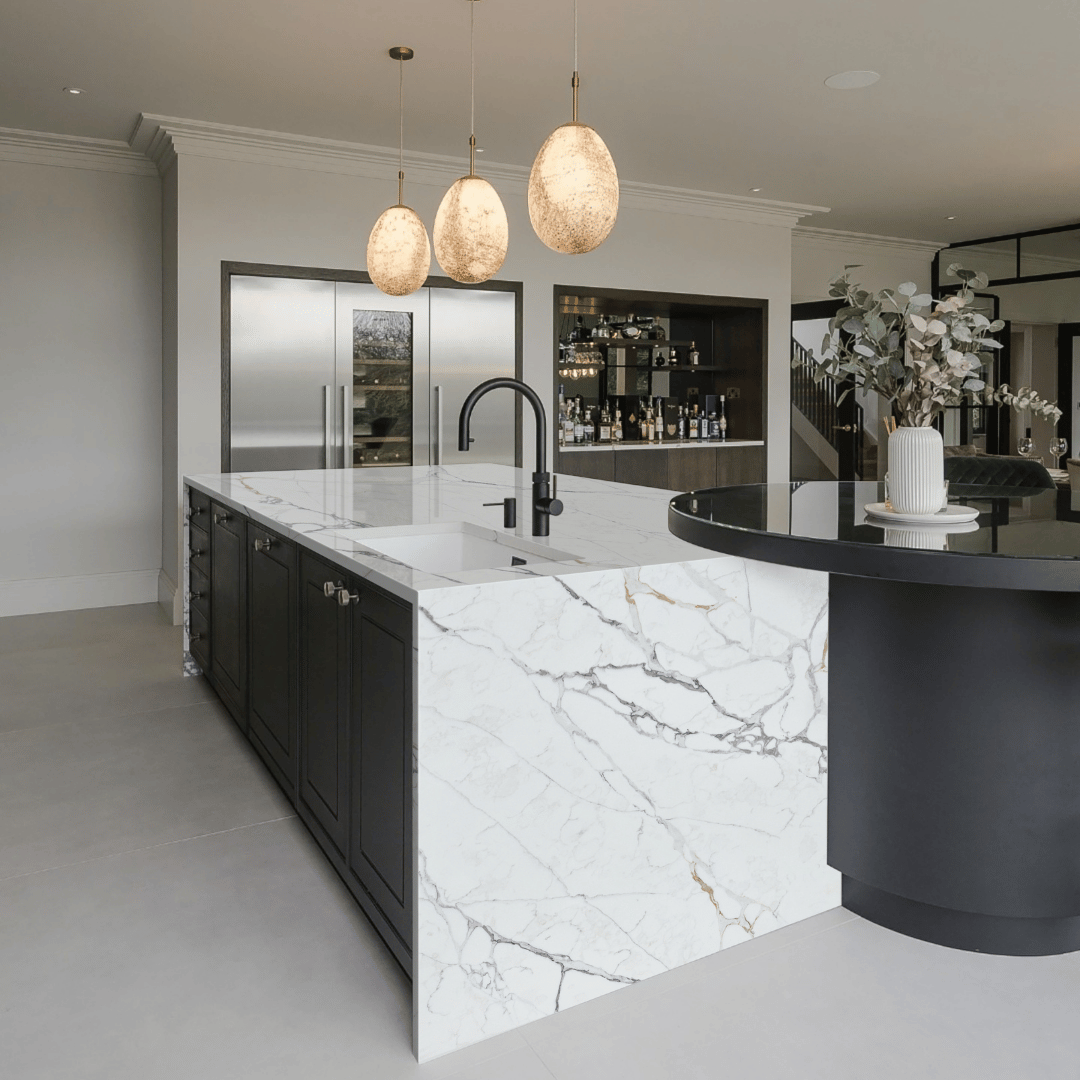
- Seamless Integration: Using the same material for stair treads, risers, and other architectural elements fosters a seamless transition throughout the space.
- Safety: Many slab materials can be treated for slip resistance, enhancing safety in both residential and commercial settings.
Design Considerations for Slab Stair Treads
When designing with slab stair treads and risers, several considerations come into play:
1. Material Compatibility
Ensure that the selected slab material is compatible with other surfaces in the project. For instance, if your flooring is a polished porcelain, consider using the same material for the stair treads to maintain a cohesive look.
2. Color and Texture
Choose colors and textures that harmonize with the overall design scheme. Neutral tones can provide a classic look, while bold colors can serve as a focal point.
3. Finish Options
Decide between matte, polished, or textured finishes based on the intended use of the stairway. For high-traffic areas, a textured finish may provide better grip.
4. Edge Profiles
Consider the edge profiles for stair treads. Options like eased or mitered edges can enhance safety while adding to the design aesthetic.
Comparative Analysis: Slab Materials
To make an informed decision regarding slab materials for stair treads and risers, it’s essential to compare their properties. Below is a comparison table highlighting key attributes of popular slab materials:
| Material | Durability | Aesthetic Variety | Maintenance | Cost |
|---|---|---|---|---|
| Quartz | High | Extensive | Low | Medium |
| Porcelain | Very High | Moderate | Very Low | Medium |
| Granite | High | Wide Range | Moderate | Higher |
| Quartzite | Very High | Limited | Moderate | Higher |
How to Choose the Right Slab for Your Project
Choosing the right slab material for stair treads and risers involves several steps:
- Assess Your Needs: Consider the specific requirements of your project, including foot traffic, exposure to elements, and design goals.
- Evaluate Material Properties: Review the properties of various materials and how they align with your needs.
- Consult Experts: Engage with professionals, such as the surface specialists at Builder Stone Global, to gain insights on the best options.
- Visit Showrooms: Explore materials in person at our Norcross showroom to see color and texture variations.
- Request Samples: Obtain samples to evaluate how materials look in your space before making a final decision.
Maintenance of Slab Stair Treads and Risers
Proper maintenance of slab stair treads and risers is essential for preserving their appearance and durability:
1. Regular Cleaning
Keep surfaces free from dirt and debris by regularly sweeping and mopping with a pH-neutral cleaner.
2. Avoid Harsh Chemicals
Use gentle cleaning solutions to prevent damage to the surface finish.
3. Inspect for Damage
Periodically check for cracks or chips, especially in high-traffic areas, and address any issues promptly.
Conclusion
In conclusion, slab stair treads and risers play a vital role in creating continuity in architectural material selection. By choosing the right materials, designers can achieve a cohesive aesthetic while ensuring durability and functionality. Whether you are a homeowner, architect, or designer, understanding the benefits and considerations of slab stair treads and risers is crucial for any successful project.
For more information on selecting premium slab materials, call +1 470-551-2092 to speak with our surface specialists, or visit our Norcross showroom today.
FAQs
What are slab stair treads and risers?
Slab stair treads and risers are the horizontal and vertical components of stairs made from solid materials like quartz, porcelain, or natural stone.
How do slab materials affect stair safety?
Slab materials can be treated for slip resistance, enhancing safety in both residential and commercial settings.
What are the best materials for stair treads?
Popular choices include quartz, porcelain, granite, and quartzite, each offering unique benefits in terms of durability and aesthetics.
How do I maintain slab stair treads and risers?
Regular cleaning with pH-neutral cleaners and periodic inspections for damage are essential for maintenance.
Can I use the same material for my flooring and stair treads?
Yes, using the same material can create a seamless transition and enhance visual continuity.
What is the cost difference between slab materials?
Costs vary by material, with quartz and porcelain generally being more affordable than granite and quartzite.
How can I choose the right finish for my slab stair treads?
Consider foot traffic, safety requirements, and design goals when selecting between matte, polished, or textured finishes.
Where can I buy premium slab materials?
Builder Stone Global offers a wide selection of premium slab materials at our Norcross showroom and through nationwide shipping.